From Scope to Launch: How We Shipped Phase 1 of Cartera’s Web Experience
The superiors has recognized the need to develop a dedicated website in response to our growing client base and the increasing challenges clients face in reaching out to us. As we expand, it has become essential to establish a more effective communication platform to enhance client interaction and accessibility. Given the expected high traffic and complexity of a content management system (CMS), we have adopted a phased approach to the website's development. This method will allow us to manage workloads more effectively and address the needs of our multiple clients with care and precision.


Background:
Cartera Website Phase 1
The superiors has recognized the need to develop a dedicated website in response to our growing client base and the increasing challenges clients face in reaching out to us. As we expand, it has become essential to establish a more effective communication platform to enhance client interaction and accessibility. Given the expected high traffic and complexity of a content management system (CMS), we have adopted a phased approach to the website's development. This method will allow us to manage workloads more effectively and address the needs of our multiple clients with care and precision.
As part of this initiative, I have been tasked by the UI/UX lead with conducting research and preparing multiple wireframe drafts for review by key stakeholders. Collaborating closely with the partner support manager, business analyst, and development team, my role involves ensuring that these wireframes reflect both the user experience and business requirements. This collaborative effort is critical to ensuring the website not only meets functional objectives but also delivers an intuitive, user-friendly experience for our clients.
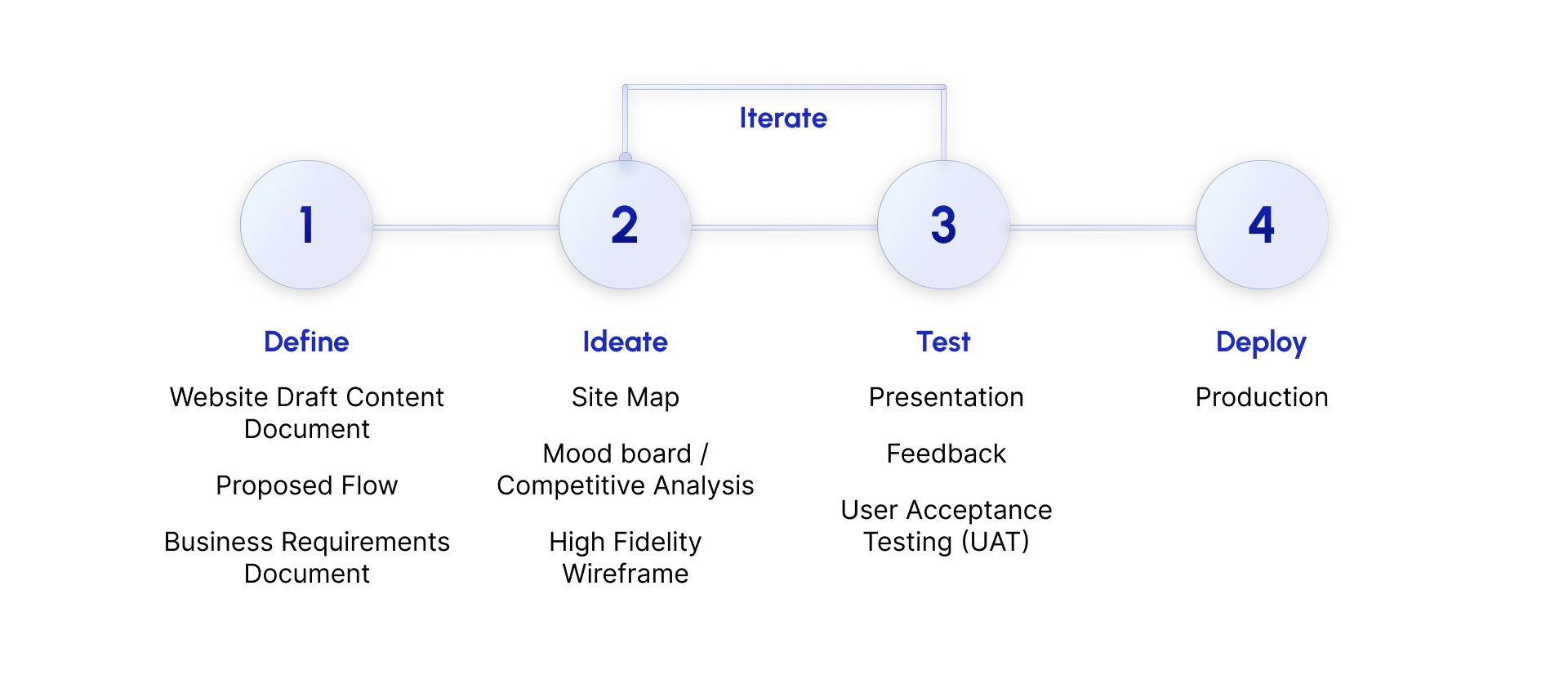
The Design Process:
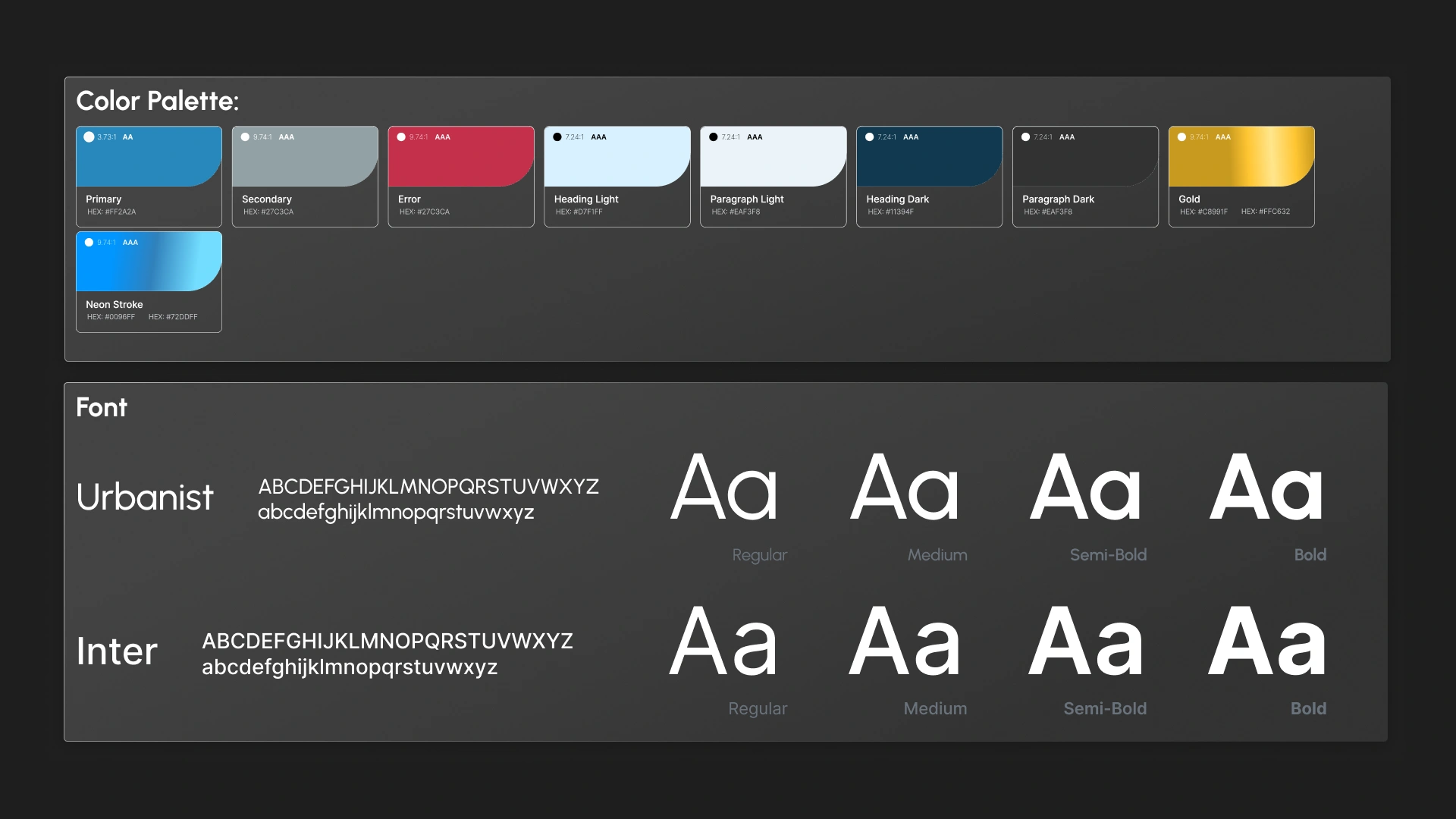
The Design System:
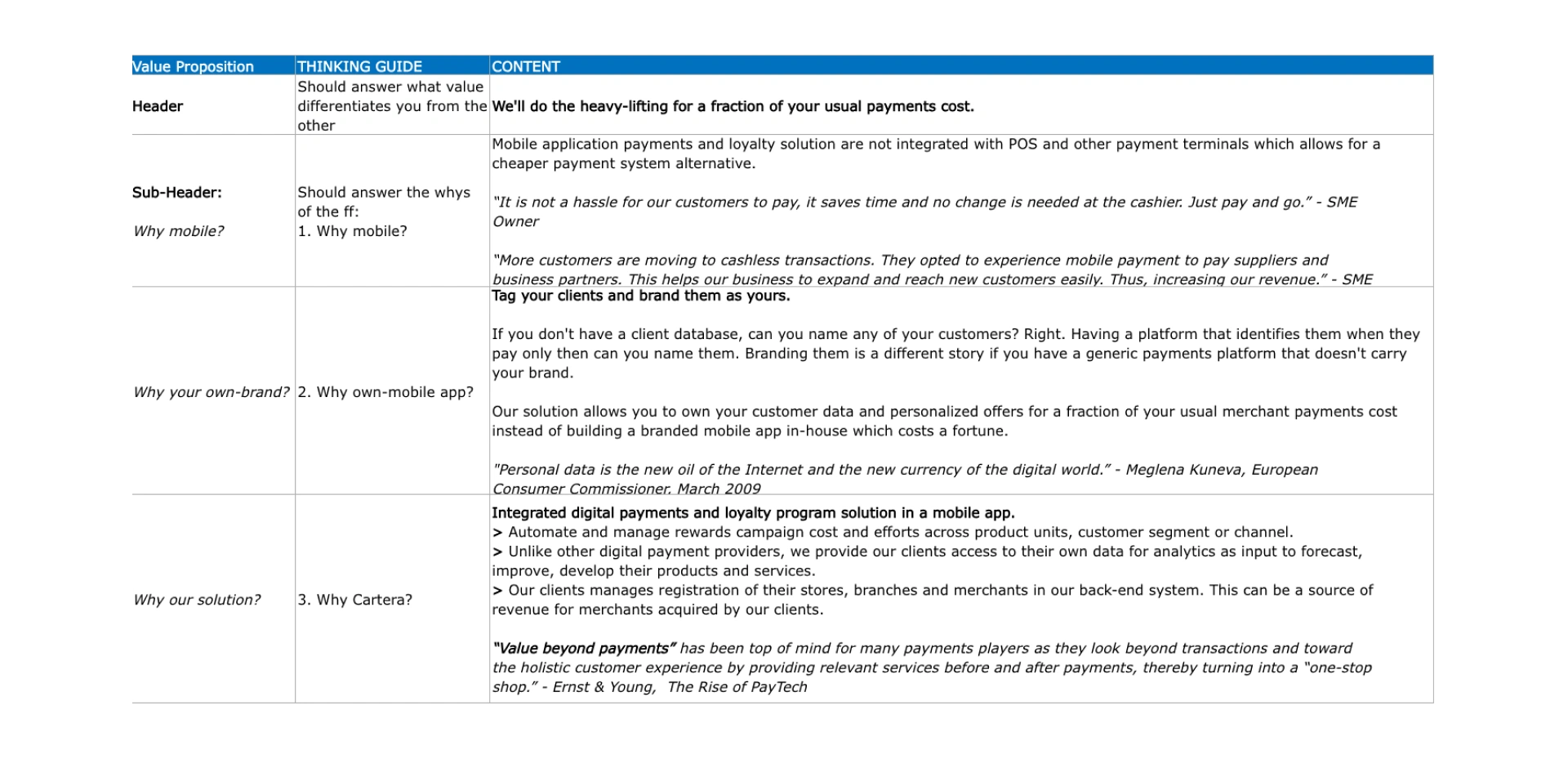
Website Draft Content:
Prepared by: Liz Basco (Partner Support Manager)
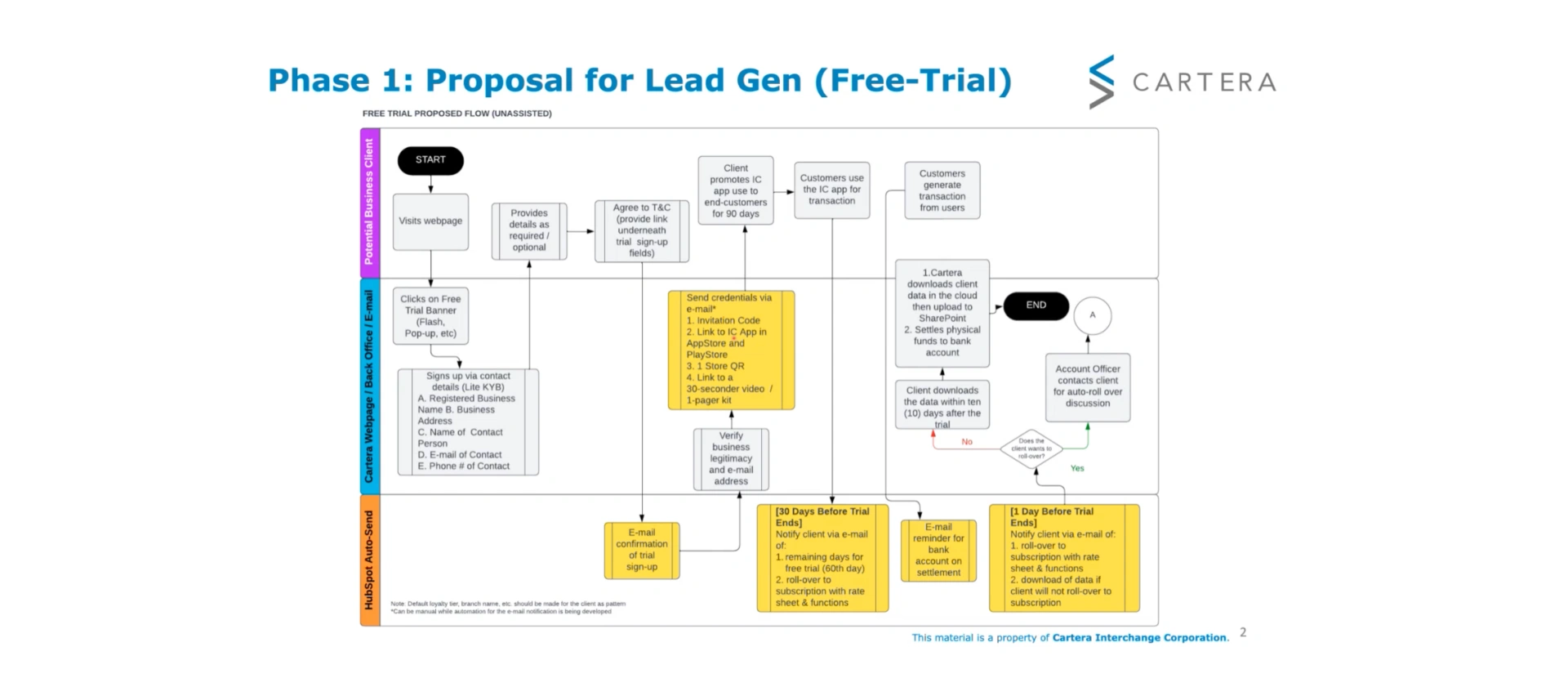
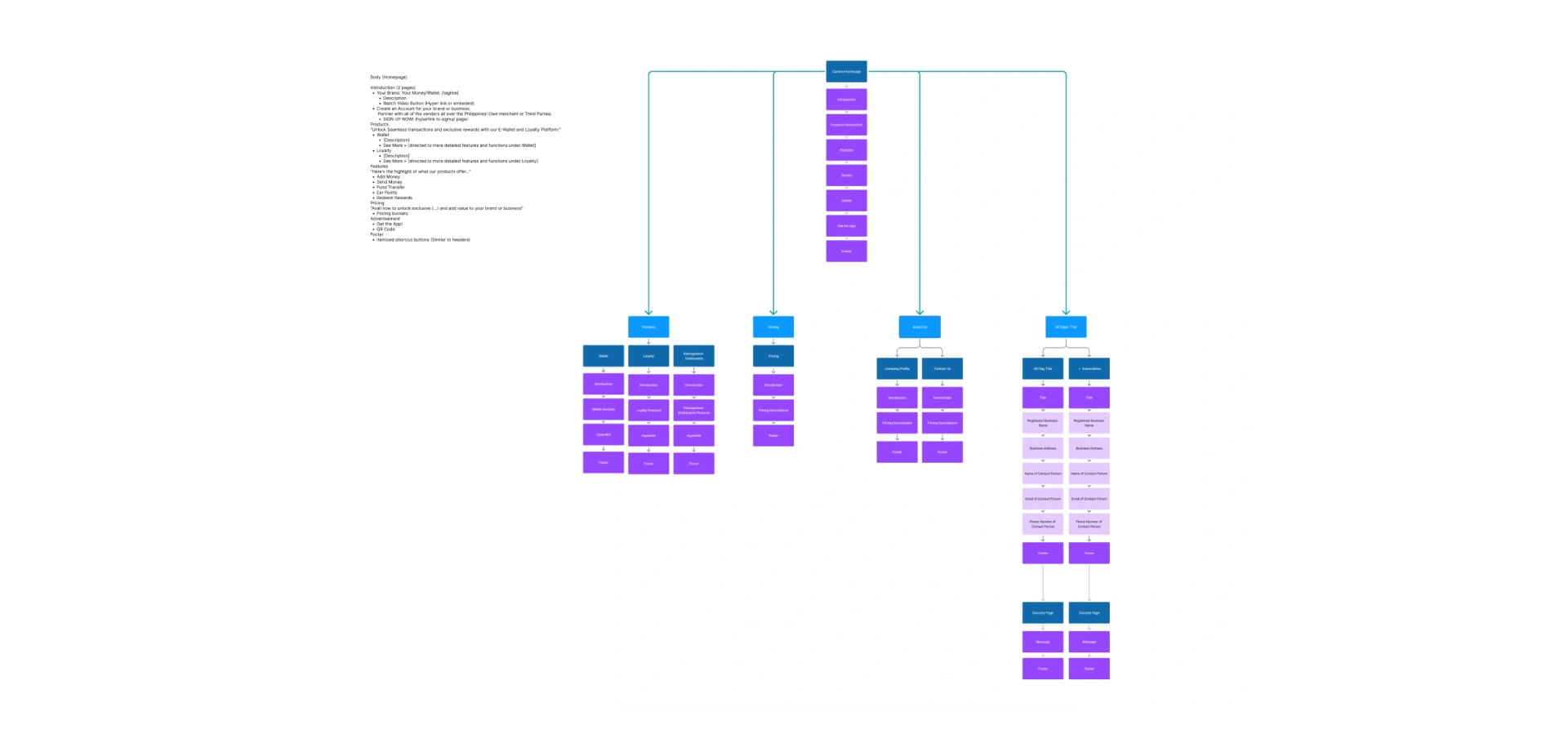
Proposed Flow:
Prepared by: Liz Basco (Partner Support Manager)
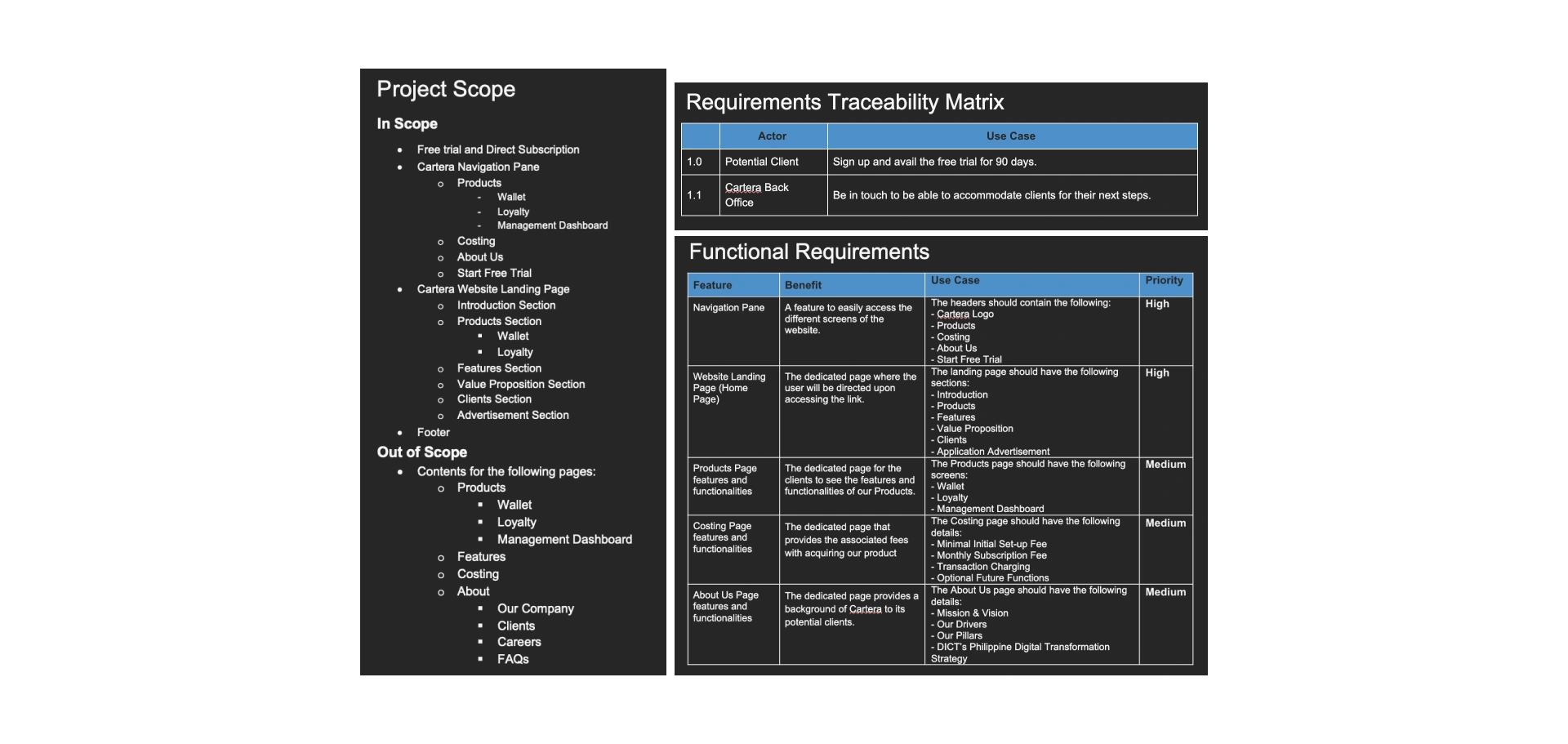
Business Requirements Document:
Prepared by: Carl Josh Natividad (Business Analyst)
Site Map:
Competitive Analysis:
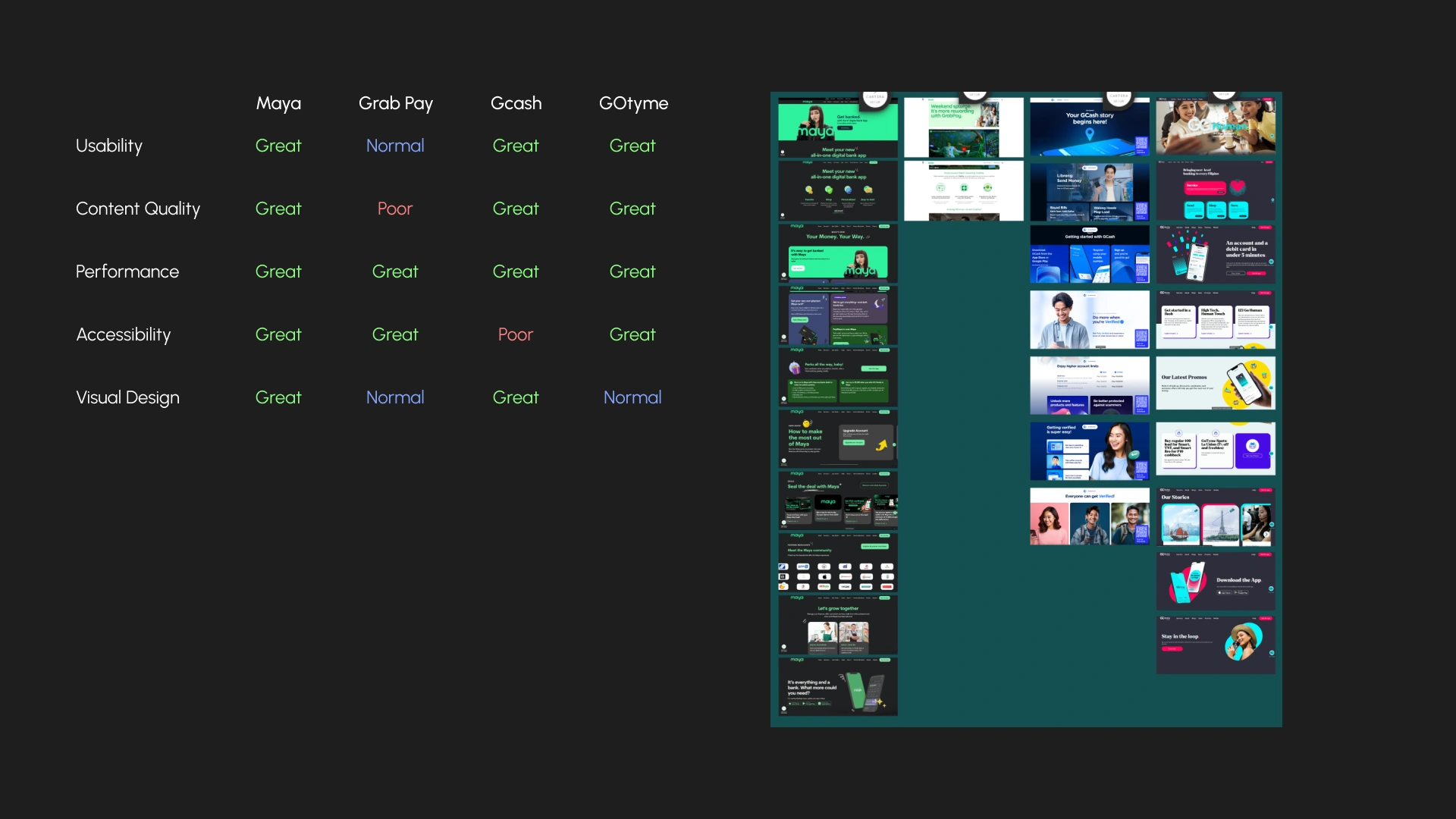
I conducted a competitive analysis of major e-wallet companies in the Philippines, identifying their strengths and weaknesses. The results were favorable, and I plan to leverage the insights gained, particularly in terms of aesthetics and user flow, to enhance familiarity for first-time users. These references will guide the design and functionality of the website, ensuring a user-friendly experience tailored to new customers.
High Fidelity Wireframe:
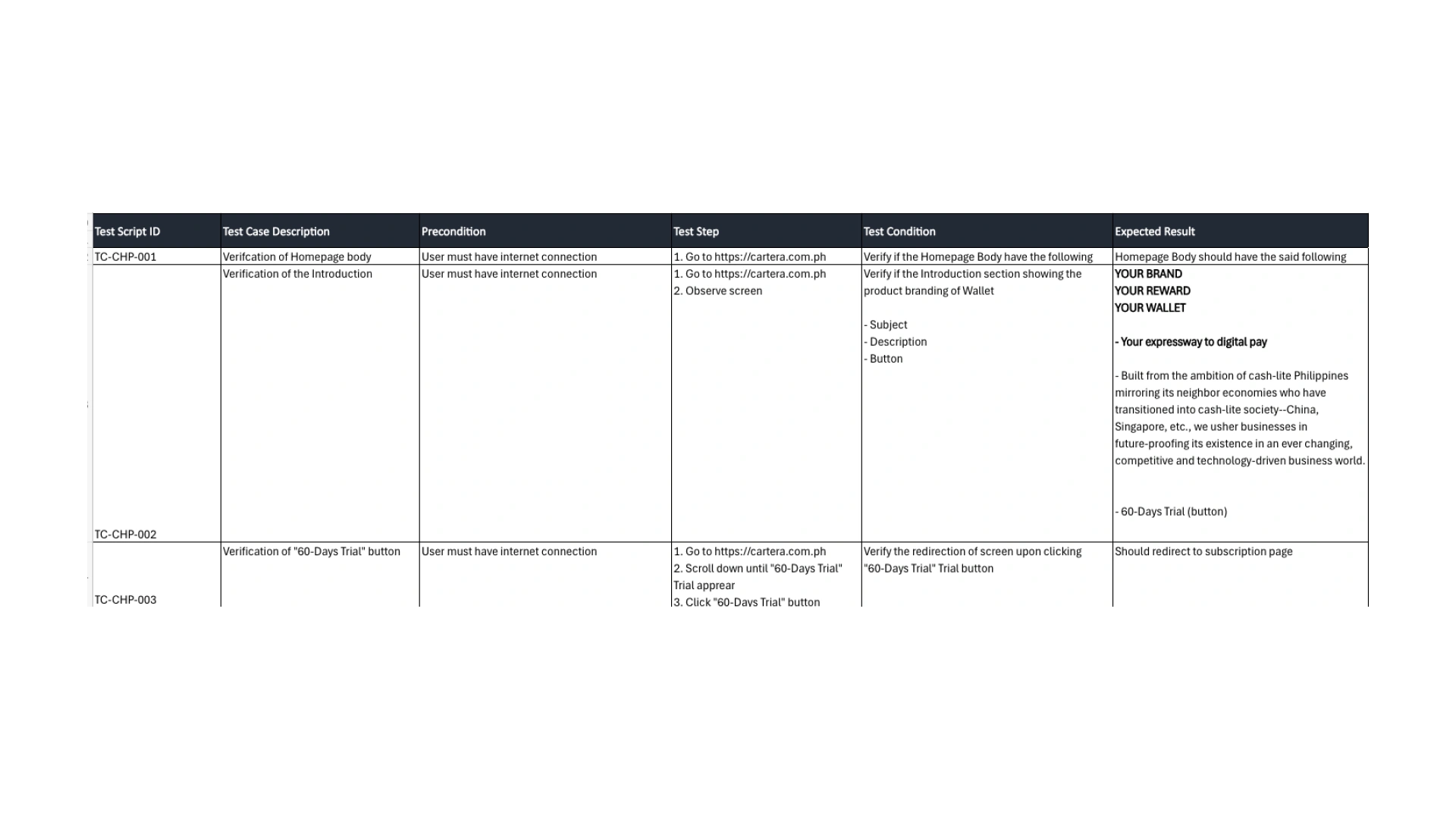
User Acceptance Testing:
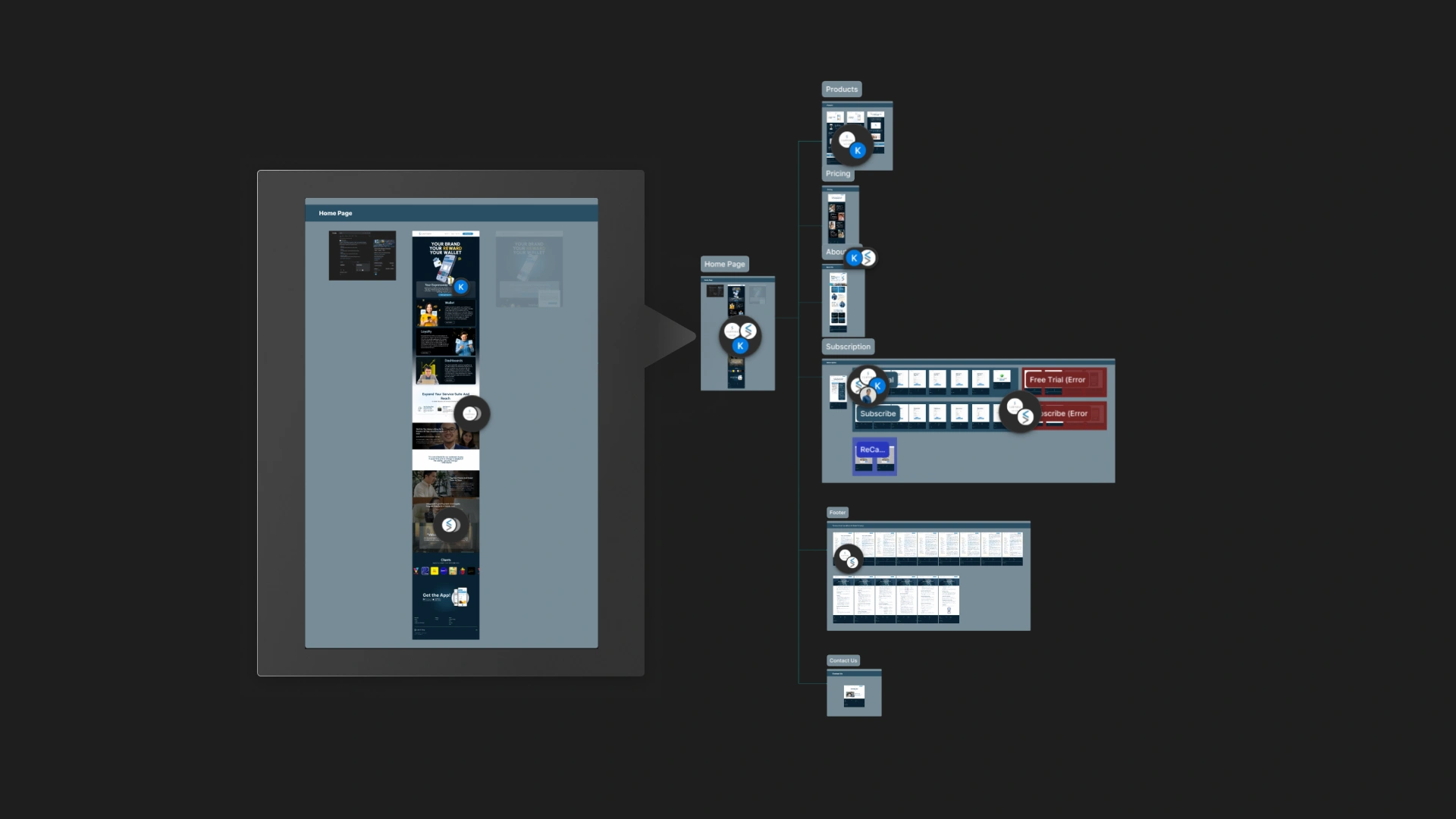
The User Acceptance Testing (UAT) involved contributions from key stakeholders, including our senior leadership team and the CEO. Below is an example of the UAT documentation provided by the Partner Support Manager.
Production:
After numerous iterations and a successful development process, the website has been deployed on schedule, meeting the established deadline. Stakeholder satisfaction has been confirmed, and the website is now live at cartera.com.ph
Conclusion:
In conclusion, the successful deployment of the Cartera website in production demonstrates the importance of meticulous planning and execution. The implementation of user acceptance testing (UAT) practices significantly reduced downtime and streamlined updates. Feedback loops and user analytics further informed iterative improvements, enhancing overall performance and user satisfaction. This case study illustrates that with the right strategies in place, organizations can ultimately achieve a robust and scalable web presence while effectively meeting user needs.